

Not Just Made to Work
Not too long ago, a “good product” simply had to work. If it was practical, durable and did what it promised, that was enough.
Today, that’s just the bare minimum.
People increasingly expect everyday products to deliver more than pure functionality. It’s no longer only about what a product does, but also how it looks, how it feels to use and how naturally it fits into everyday life.
A few years back, hardly anyone cared what the item sitting next to the kitchen sink, on the office desk or in the car actually looked like. Now those same objects have become part of the aesthetic of our surroundings.
Even the simplest everyday essentials are no longer treated as anonymous, forgettable objects. More and more often, they become part of a wider brand experience.
Functionality alone doesn’t win people over anymore
Not that long ago, products mainly competed on price or technical specs. Today, design, build quality and user experience often carry just as much weight.
People pay attention to details that used to slip under the radar. The way packaging opens. The feel of the material. Whether the product is intuitive to use. Even how it looks sitting out on the kitchen counter, bathroom shelf or office desk.
There was a time when “practical” was good enough.
Now people expect products to feel seamless, thoughtfully designed and genuinely pleasant to use.
And this shift is happening across almost every category, including accessories, promotional products and the everyday solutions businesses and consumers interact with constantly.
Why are ordinary products suddenly sparking emotions?
This change didn’t happen by accident.
Every day we interact with apps, devices and digital experiences that are sleek, intuitive and frictionless. Naturally, we started expecting the same level of thoughtfulness from physical products too.
Social media and the growing focus on aesthetics have also played a huge role. People no longer want to surround themselves with random clutter or poorly designed objects. Even everyday essentials are now expected to match a certain lifestyle and blend into modern spaces.
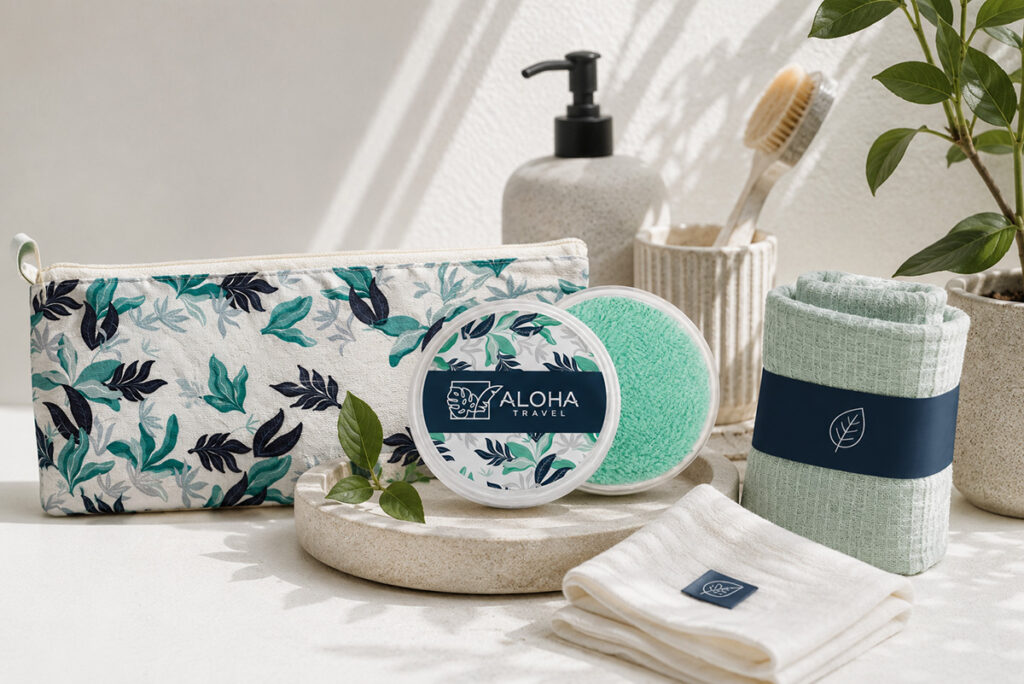
We notice things we barely paid attention to before. The texture of a material. Clean, minimalist design. The way an object looks left casually on a countertop, bathroom sink or workspace.
Life itself has also sped up.
People increasingly value products that simplify everyday routines instead of complicating them. Solutions that feel easy, intuitive and well thought through. Products that quietly improve daily life without demanding attention.
There’s less and less room for random things
Consumers are becoming far more intentional about the objects they keep around them. Poorly designed, visually chaotic or purely disposable products feel increasingly out of place.
Even everyday products are now becoming part of a carefully curated lifestyle and environment.
At GUAPA Clean Up, we see firsthand how quickly expectations around everyday products are evolving. More than ever, people care not only about what a product does, but also about the experience it creates.
We see enormous potential in products that combine functionality with modern design and real everyday value. That’s exactly where many forward-thinking brands are heading today — creating products that are smarter, more refined and better aligned with the way modern people actually live.
Because the future of everyday products is no longer built on practicality alone.
Experience matters. Quality matters. And increasingly, what matters most is how naturally a product earns its place in everyday life.
More and more often, they’re expected not only to work well, but also to look good, create a better user experience and fit effortlessly into the aesthetics of contemporary spaces and modern living.